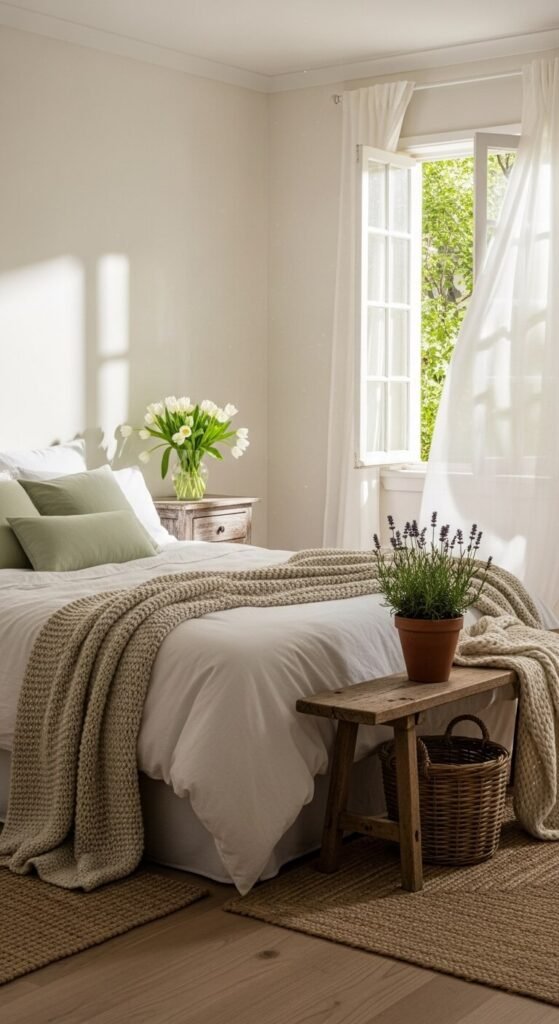
Spring brings longer days and warmer weather, making it the perfect time to refresh your bedroom for better rest. Your sleep space affects how well you recharge each night, and simple seasonal updates can make a real difference. This guide shares 26 practical bedroom decor ideas that combine spring’s light, fresh aesthetic with sleep-friendly design. You’ll find budget-conscious swaps, easy DIY projects, and smart choices that help you fall asleep faster and wake up feeling restored.
Swap Heavy Curtains for Light Linen Drapes

Heavy winter curtains trap heat and block natural light cycles your body craves. Switch to linen drapes in cream or soft white.
They filter morning sun gently, helping you wake naturally. At night, add blackout liners you can remove during the day. Linen breathes well and keeps rooms cooler as temperatures rise.
Budget tip: Check discount home stores for affordable linen-look polyester blends. Hem them yourself with fabric tape—no sewing required. Hang them higher than the window frame to make ceilings feel taller and let in more light.
Layer Your Bed with Breathable Cotton Sheets

Cotton sheets regulate temperature better than synthetic fabrics. Choose percale or sateen weaves in light colors for spring.
They wick moisture away while you sleep and get softer with each wash. White, sage, or pale blue creates a calming visual effect. Thread count between 200-400 works well—higher isn’t always better for breathability.
DIY hack: Wash new sheets three times before use to maximize softness. Add half a cup of white vinegar to the rinse cycle to remove chemical residues. Skip fabric softener, which coats fibers and reduces breathability over time.
Add a Lavender Sachet to Your Pillowcase

Lavender scent has proven calming properties that support sleep onset. Tuck a small fabric sachet between your pillow and pillowcase.
The gentle aroma helps quiet racing thoughts at bedtime. Replace dried lavender every 4-6 weeks as the scent fades. You can also add chamomile or dried rose petals for variety.
Make your own: Cut a 4×4 inch square from an old cotton shirt. Fill with dried lavender from the grocery store. Tie with kitchen twine or ribbon. Each sachet costs under $2 and takes five minutes to assemble.
Place Fresh Flowers on Your Nightstand
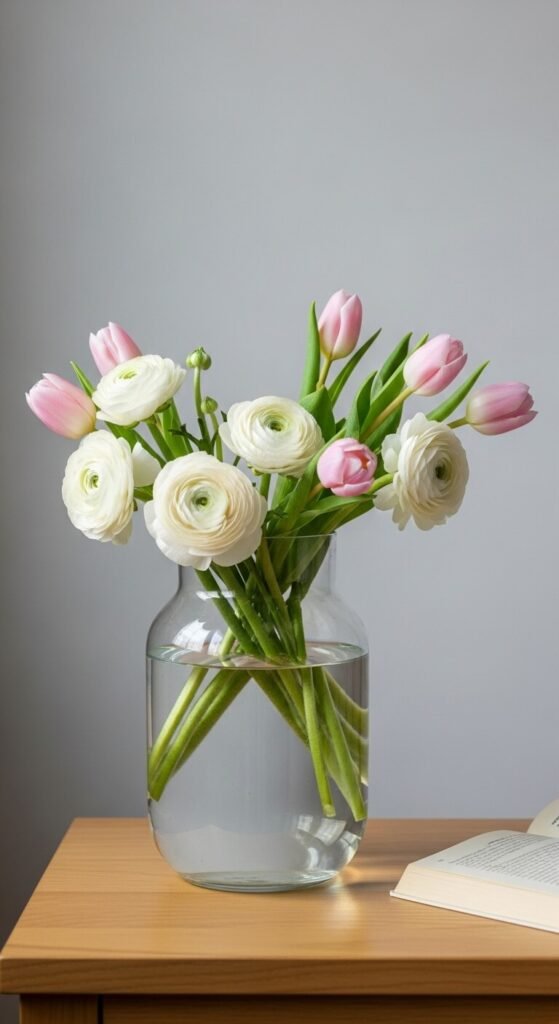
Real flowers bring nature indoors and improve air quality slightly. Choose low-scent varieties like tulips or ranunculus for the bedroom.
Change water every three days to prevent bacterial growth and odors. Keep arrangements simple—five stems in a clear vase looks elegant. Flowers also give you something pleasant to see first thing in the morning.
Budget option: Buy grocery store bouquets on sale and split them into smaller arrangements. Single-stem bud vases cost $3-5. Or pick wildflowers and flowering branches from your yard for free arrangements that last a week.
Paint One Wall in Soft Sage Green
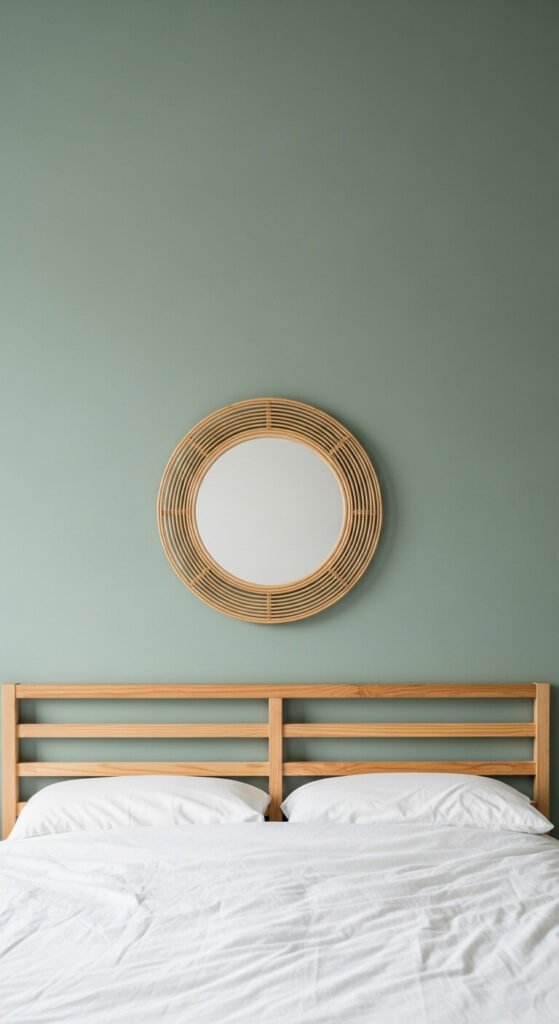
Accent walls add color without overwhelming your sleep space. Sage green promotes relaxation and pairs well with neutral bedding.
Paint just the wall behind your bed for maximum impact with minimal paint. Choose flat or eggshell finish to avoid light glare at night. Green tones reduce eye strain and create a connection to nature.
Cost saver: One gallon covers about 400 square feet—enough for most accent walls. Sample pots cost $3-5; test colors before committing. Paint during the day with windows open to air out fumes before bedtime.
Switch to Warm-Toned LED Bulbs

Blue-spectrum light disrupts melatonin production. Replace bright white bulbs with warm LEDs (2700K-3000K).
Amber-toned light signals your brain to prepare for sleep. Use 40-60 watt equivalents in bedside lamps—bright enough to read, dim enough to relax. Install dimmer switches for under $15 if you want adjustable lighting.
Pro tip: Smart bulbs let you schedule dimming as bedtime approaches. Basic versions cost $8-10 per bulb. Or simply use lower wattage bulbs in the evening and save smart features for living areas.
Hang Sheer White Curtains for Soft Light Filtering
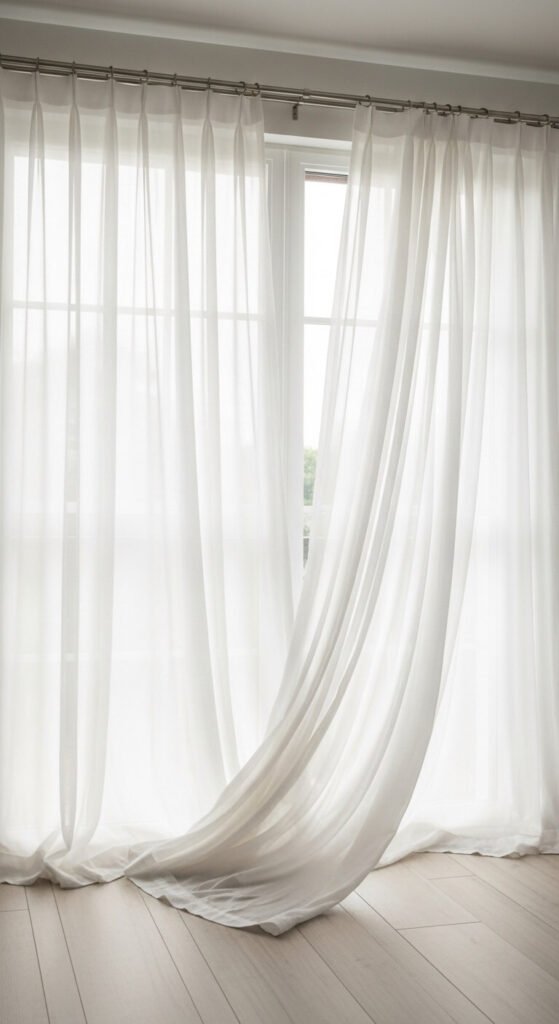
Sheer panels soften harsh sunlight without blocking it completely. They create privacy during the day while keeping rooms bright.
Layer them under heavier curtains you can close at night. White or ivory sheers reflect heat in warmer months. The flowing fabric adds gentle movement and visual softness.
Easy install: Tension rods require no drilling and cost $10-15. Measure your window width and add 12 inches for proper fullness. Wash sheers monthly in cold water to keep them crisp and bright.
Add a Chunky Knit Throw in Cream

Texture adds visual warmth even in lightweight fabrics. A chunky knit throw in neutral cream works for cool spring evenings.
Drape it at the foot of your bed for easy access. Choose cotton over wool if you run warm at night. The tactile quality feels comforting and looks inviting when the bed is made.
Budget find: Acrylic knit throws cost $20-30 at discount stores and wash easily. Or finger-knit your own using jumbo yarn—tutorials online take 2-3 hours. Each throw uses 3-4 skeins at about $8 per skein.
Place a Small Plant on Your Dresser
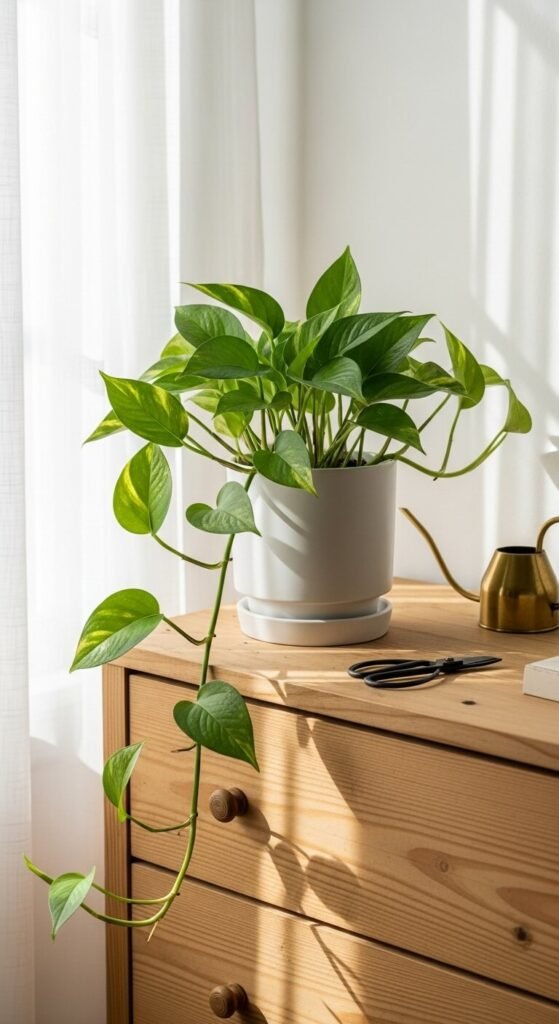
Indoor plants filter air and add living color to your room. Choose low-maintenance varieties like pothos, snake plants, or peace lilies.
They tolerate varying light conditions and need water just once weekly. Plants create visual interest and give you a small daily care routine. Watching something grow improves mood and connection to seasonal changes.
Care tip: Start with one plant to test your routine. Terracotta pots under $5 prevent overwatering. Set a phone reminder for weekly watering until it becomes habit.
Use a Woven Jute Rug Under Your Bed
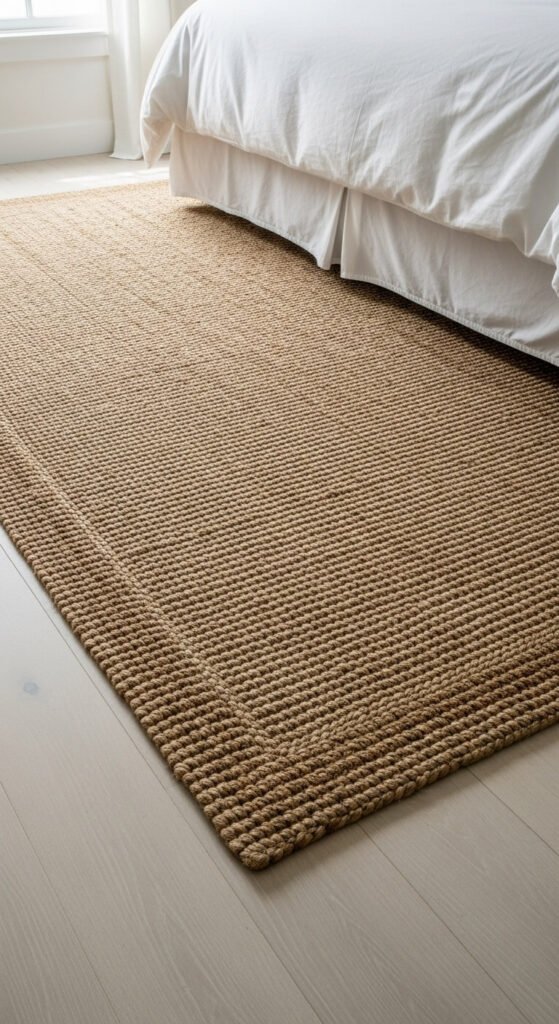
Natural fiber rugs ground your space and add texture underfoot. Jute rugs in tan or cream complement spring’s lighter palette.
Position the rug so it extends 18-24 inches beyond each side of your bed. The rough texture feels good when you step out of bed barefoot. Jute also absorbs sound, making rooms feel quieter.
Size guide: 5×8 rugs work under full/queen beds and cost $60-100. Shake outside monthly to remove dust. Spot-clean spills immediately—jute stains easily but wears well with care.
Install Floating Shelves for Clutter-Free Surfaces
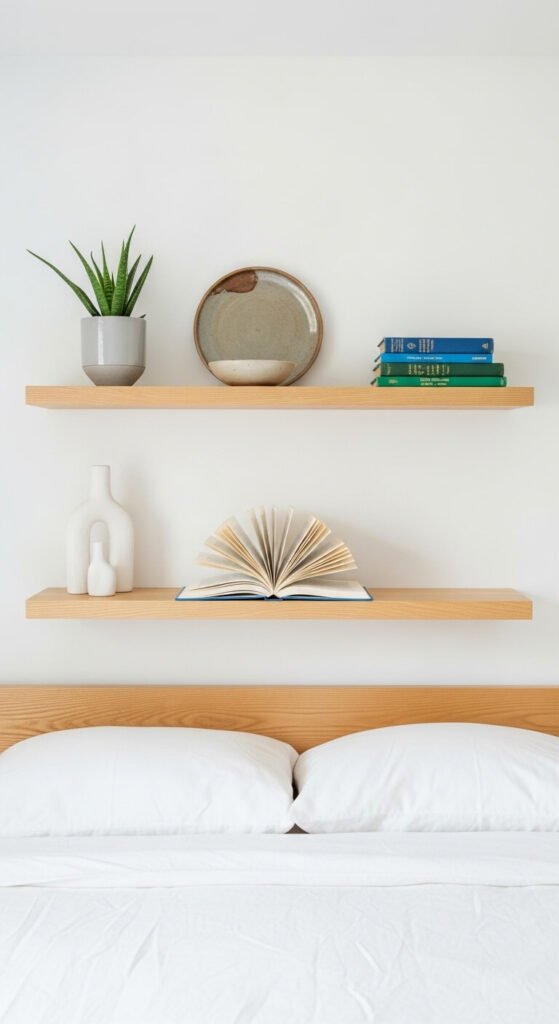
Cluttered nightstands disrupt visual calm needed for sleep. Move decorative items to floating shelves above your bed or nearby walls.
Keep surfaces clear except for sleep essentials—lamp, water, alarm. Shelves create storage without bulk. Choose light wood or white finishes that blend with walls. Three small items per shelf looks intentional, not messy.
Installation: Basic brackets cost $8-12 per shelf. Use a level and stud finder for secure mounting. Keep shelves at least 18 inches above your headboard so you don’t bump them.
Choose a White Duvet Cover
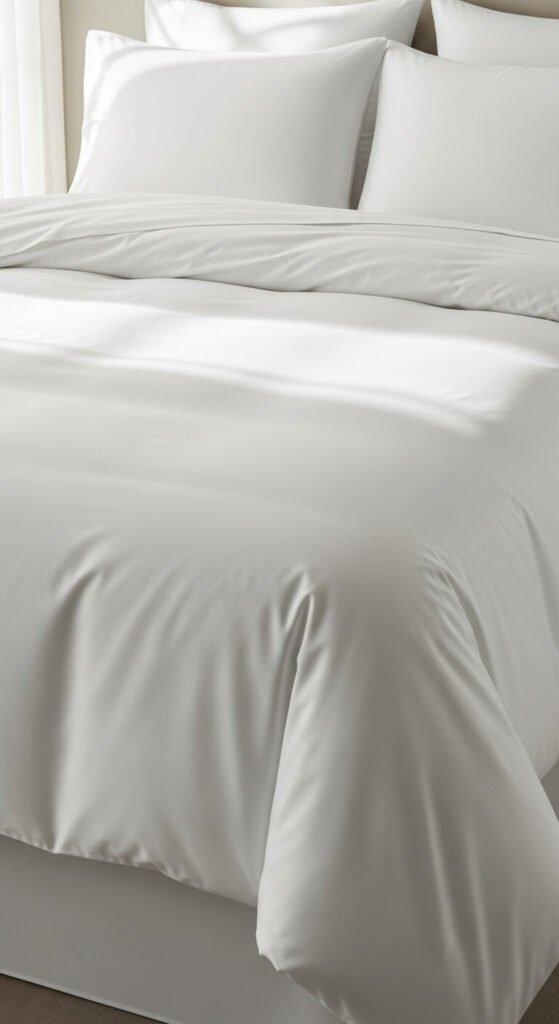
White bedding reflects light and makes small rooms feel larger. A duvet cover protects your comforter and swaps out easily for washing.
White works year-round and pairs with any accent color. Choose cotton or linen for breathability. The blank canvas calms your eyes and mind before sleep. Change covers weekly for maximum freshness.
Maintenance: White shows stains but bleaches clean. Buy two covers so you always have a fresh one while washing. Target and IKEA sell cotton duvet covers for $30-50 that hold up well.
Arrange Books by Color on Your Shelf
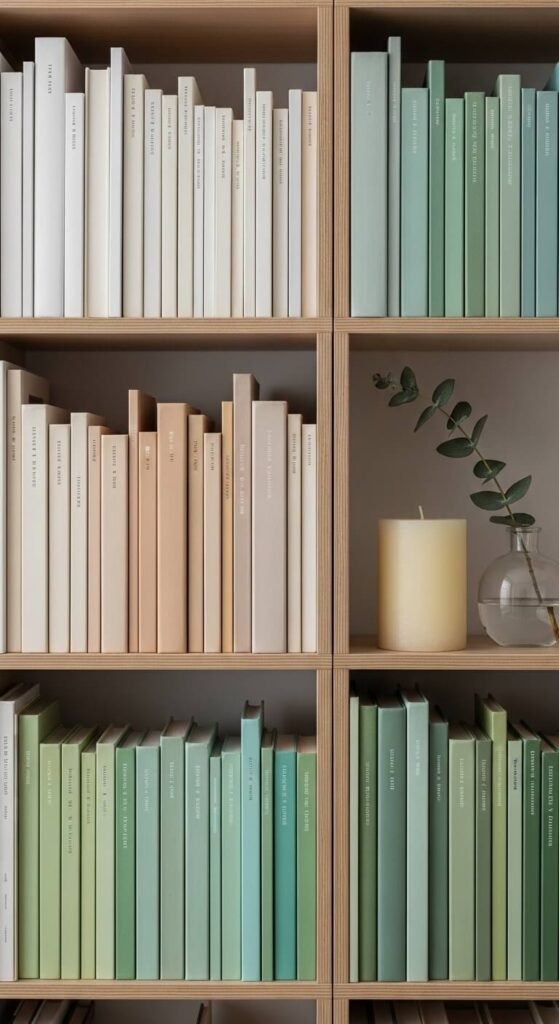
Visual clutter affects sleep quality even when you’re not consciously noticing it. Organize bedside books by color for a calming effect.
Group whites, creams, and pastels together. Remove dust jackets for a cleaner look. Limit bedroom books to current reads and a few favorites. Store the rest elsewhere to reduce visual noise.
Quick refresh: Spend 15 minutes sorting. Donate books you won’t reread. Arrange spines facing out in color groups. Leave some shelf space empty—gaps create breathing room for your eyes.
Add a Rattan Headboard
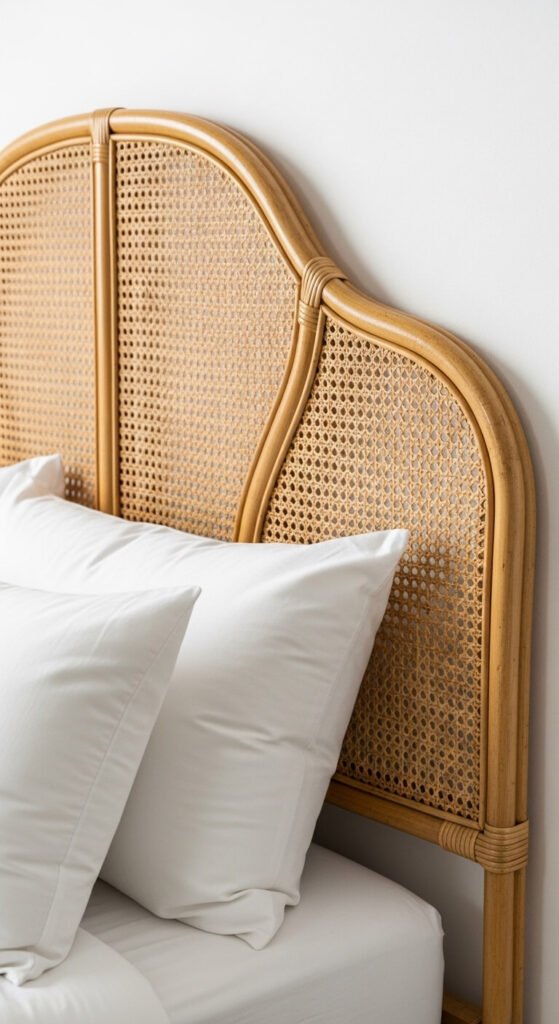
Natural materials bring outdoor freshness inside. Rattan headboards add texture without heaviness.
The woven design creates visual interest while staying neutral. Rattan pairs beautifully with white linens and green plants. It’s also lightweight—easy to move and clean. The open weave prevents that closed-in feeling some upholstered headboards create.
Finding one: Check Facebook Marketplace for vintage rattan pieces at $50-100. New rattan headboards run $150-300. Secure to the wall with simple brackets, or let it lean if your bed frame allows.
Keep a Carafe of Water by Your Bed

Dehydration disrupts sleep cycles. Keep fresh water within arm’s reach instead of plastic bottles.
A glass carafe looks cleaner than sports bottles and holds enough for the night. Add cucumber or mint slices for subtle flavor. Change water daily to keep it fresh. The ritual of filling your carafe signals bedtime routine.
Setup: Simple carafes cost $10-15. Get a matching glass to avoid fumbling for a cup at night. Place it far enough from the bed edge to prevent spills.
Fold a Lightweight Quilt at the Foot of the Bed
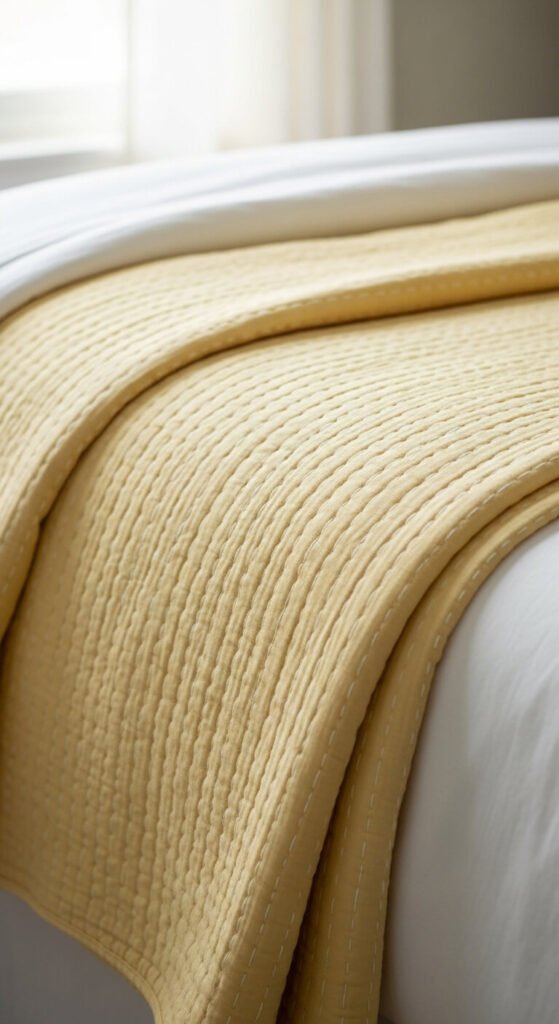
Quilts add spring color without winter weight. Choose cotton in soft yellow, blush, or aqua for seasonal freshness.
Fold it lengthwise and drape at the foot of the bed for extra warmth on cool mornings. The visible stitching adds handmade charm. Quilts also protect your duvet from pet hair or outdoor clothes when you sit on the bed.
Thrift option: Vintage quilts cost $20-40 at estate sales. Wash in cold water and air dry. If the fabric is delicate, use it decoratively only and add a new quilt for actual use.
Hang a Simple Round Mirror Above the Dresser

Mirrors reflect natural light, making rooms feel airier. Round mirrors soften angular furniture and create visual flow.
Hang it at eye level above your dresser, about 6-8 inches from the furniture top. Choose frames in black, natural wood, or brass. The reflection doubles light sources and adds depth. Avoid mirrors directly facing the bed if they distract you.
Hanging: Command strips hold mirrors up to 16 pounds with no wall damage. Measure twice before sticking. Level the mirror with a bubble level app on your phone.
Use Bamboo Blinds for Natural Texture

Bamboo shades block harsh sun while filtering gentle light. They add earthy texture and work with any decor style.
Choose cordless or continuous loop styles for clean lines. Bamboo naturally resists moisture and lasts for years. The material also provides some insulation. Roll them up during the day to maximize natural light.
Measuring: Measure your window width and height precisely. Inside-mount blinds fit within the frame; outside-mount covers the entire window. Basic bamboo shades start at $25 for standard sizes.
Add Eucalyptus Stems to a Floor Vase

Eucalyptus provides subtle scent and architectural shape. Place a floor vase in an empty corner near your bed.
The stems stay fresh for weeks in water and air-dry naturally for continued display. Eucalyptus scent may help clear breathing passages at night. The vertical arrangement draws eyes upward, making ceilings feel higher.
Where to buy: Grocery store floral sections sell bunches for $4-6. Use 5-7 stems in a 12-inch vase. Trim stems at an angle and change water weekly.
Layer Pillows in Varying Sizes
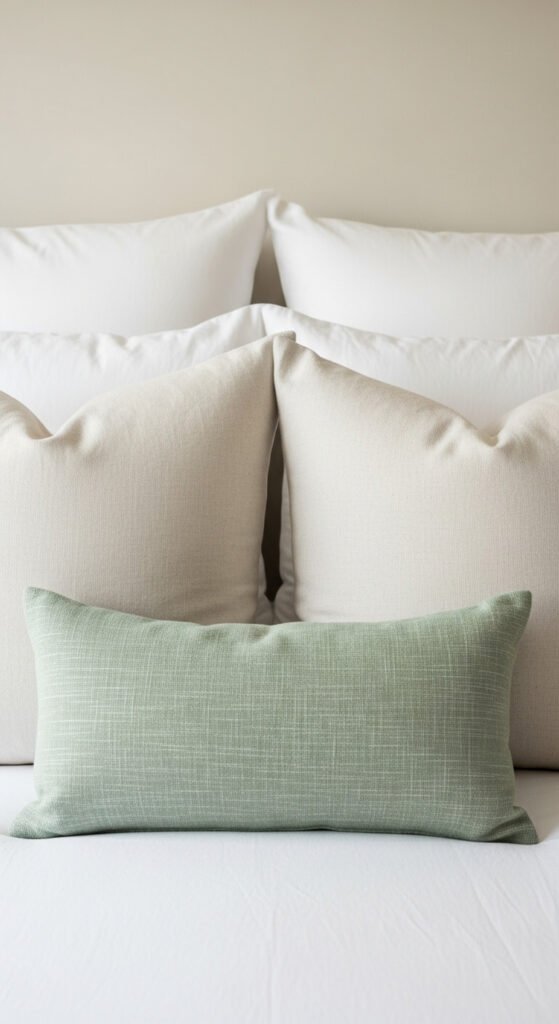
Pillow layers add depth without clutter when done simply. Start with two sleeping pillows in back.
Add one or two Euro squares in front for sitting up to read. Finish with a lumbar or 18-inch accent pillow. Stick to three colors maximum—white, cream, and one soft accent. Remove decorative pillows before bed so they don’t end up on the floor.
Budget approach: Euro inserts cost $10-15 each. Make covers from $5/yard fabric with envelope closures—no zippers needed. Or buy pillow covers at HomeGoods for $12-18 and swap seasonally.
Place a Woven Basket for Laundry

Visible clutter reduces sleep quality. Store dirty clothes in an attractive basket instead of chair piles.
Choose seagrass or cotton rope in neutral tones. Place it in your closet or a corner. The contained mess looks intentional. Empty the basket twice weekly so laundry doesn’t pile up.
Size: 18-inch diameter baskets hold several days’ worth of clothes. Lidded versions hide contents but cost $10-15 more. Handles make carrying to the laundry room easier.
Add Soft Yellow Accent Pillows

Yellow accents bring sunshine indoors and energize morning wake-ups. Choose soft butter or pale lemon tones, not bright school-bus shades.
Two accent pillows on white bedding create gentle contrast. Yellow pairs well with sage green, soft gray, or natural wood. The color stimulates optimism without overstimulating before sleep. Swap for cooler tones in summer if rooms get too warm.
Mixing: Use one yellow pillow with one cream or white. Or go with yellow on both Euro shams. Linen covers soften the brightness compared to cotton sateen.
Position Your Bed Away from Direct Vents
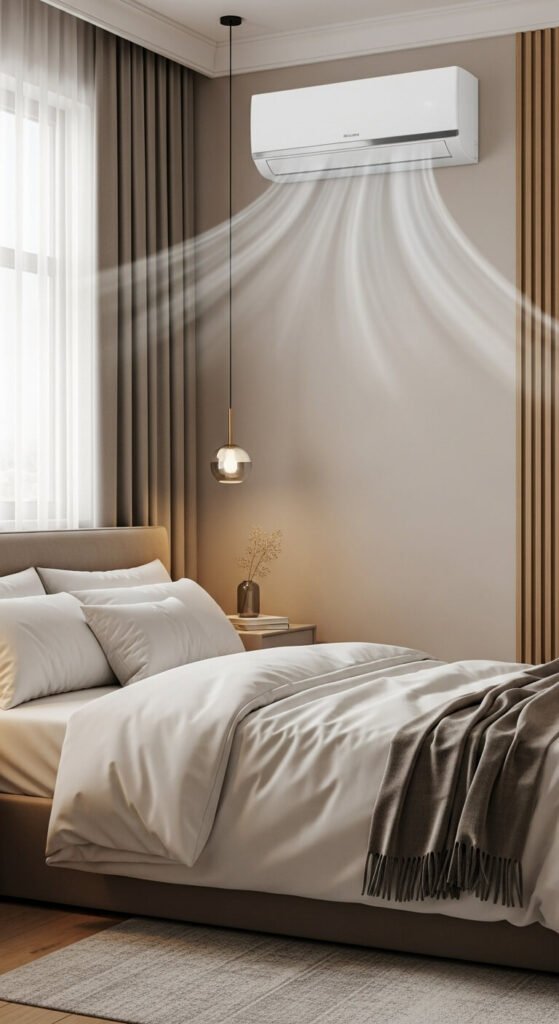
Air vents create temperature fluctuations and noise that disrupt sleep. Rearrange furniture so air blows across the room, not directly on you.
Check vent locations before placing your bed. If you can’t avoid them, partially close bedroom vents and adjust the main thermostat. Stable temperature throughout the night improves sleep quality. Spring’s mild weather makes this easier to manage.
Quick fix: Vent deflectors ($8-12) redirect airflow. Or place a piece of furniture partially blocking the vent’s direct path. Test different arrangements over several nights to find what works.
Use a Wooden Tray to Corral Nightstand Items

Scattered items create visual chaos. Contain nightstand essentials on a small tray for instant organization.
Choose wood, ceramic, or woven styles in neutral colors. Limit items to what you actually use nightly—phone, glasses, lip balm. The boundary prevents spread. Trays also protect furniture from water rings.
DIY version: Repurpose a small cutting board or picture frame back. Or buy a 10×6 inch tray for $8-15. Keep it simple—ornate styles add visual weight that works against calm.
Switch Out Heavy Bedspread for a Coverlet

Heavy bedspreads trap heat as weather warms. Replace with a cotton coverlet that sits between a quilt and duvet in weight.
Coverlets reach just past the mattress edge for a clean, modern look. They’re easier to wash than comforters and dry quickly. Choose white or soft gray to maintain light, fresh vibes. Layer with a throw if nights stay cool.
Shopping: Coverlets cost $40-80 depending on size. Matelassé (textured) cotton adds interest. King sizes fit queen beds for a draped effect that looks luxurious.
Create a Small Reading Corner with Floor Cushions

Bedrooms work better for sleep when you don’t do everything there. Create a small reading spot away from the bed.
Stack two floor cushions or use a pouf. Add a small side table and reading lamp. This gives you somewhere to wind down before sleep without training your brain to be alert in bed. The separate zone supports better sleep hygiene.
Budget setup: Floor cushions run $25-40 each. Or stuff old pillows into oversized pillowcases sewn shut. Use a thrifted side table or upturned crate. The key is creating physical separation from your bed.
Conclusion
Simple spring updates transform your bedroom into a better sleep space without expensive renovations. Focus on breathable fabrics, calming colors, and reduced clutter—all choices that support restful sleep while bringing seasonal freshness inside. Start with one or two changes that appeal most to you, then add more as budget and time allow. Your bedroom should feel like a retreat, and these practical ideas help create that atmosphere while working with what you already own. Better sleep starts with small, intentional changes you can make today.