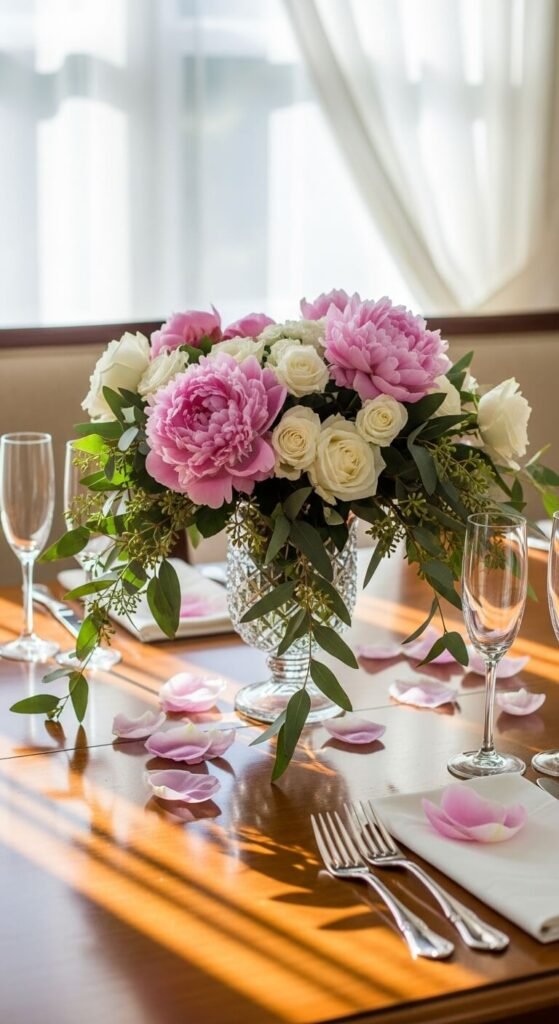
Flowers transform spaces instantly. A well-placed arrangement adds color, life, and personality to any corner of your home. You don’t need a florist’s budget or years of experience to create beautiful displays. Simple combinations work just as well as elaborate designs. The key is choosing the right flowers for your space and style. Whether you prefer minimalist single-stem statements or abundant garden-style bouquets, there’s an approach that fits your taste and budget. These 26 ideas will help you arrange flowers that look expensive, feel personal, and brighten your everyday surroundings.
Single Stem Statement Vases
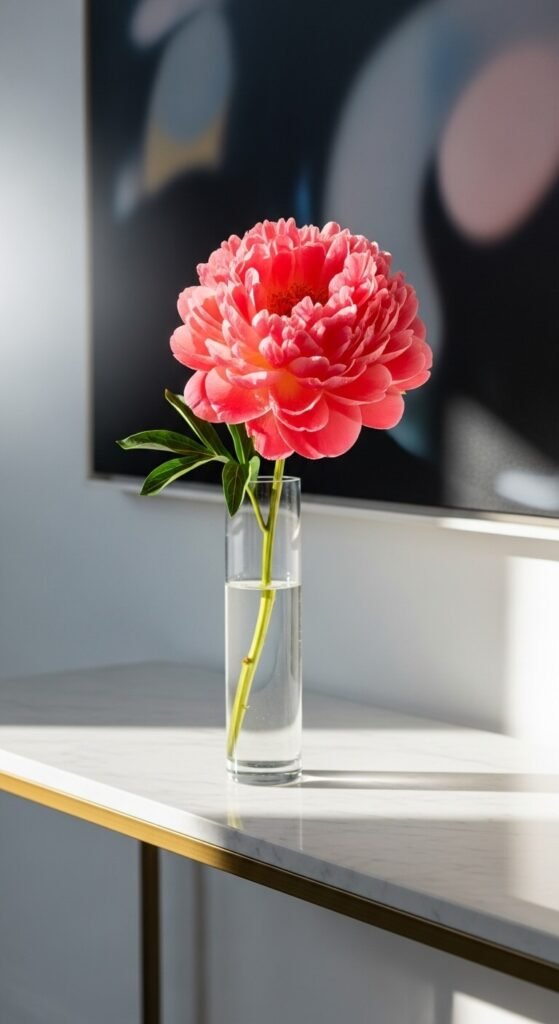
One perfect flower makes a bigger impact than you’d think. Choose a bloom with presence—like a peony, protea, or dinner-plate dahlia. Place it in a narrow vase that supports the stem without crowding.
This approach costs less than $5 per week. Buy single stems from grocery stores or farmers markets. The simplicity draws attention to the flower’s natural beauty. No arranging skills required. Just trim the stem at an angle and change the water every two days. Perfect for bathroom counters, bedside tables, or office desks where space is limited.
Wildflower Mason Jar Clusters
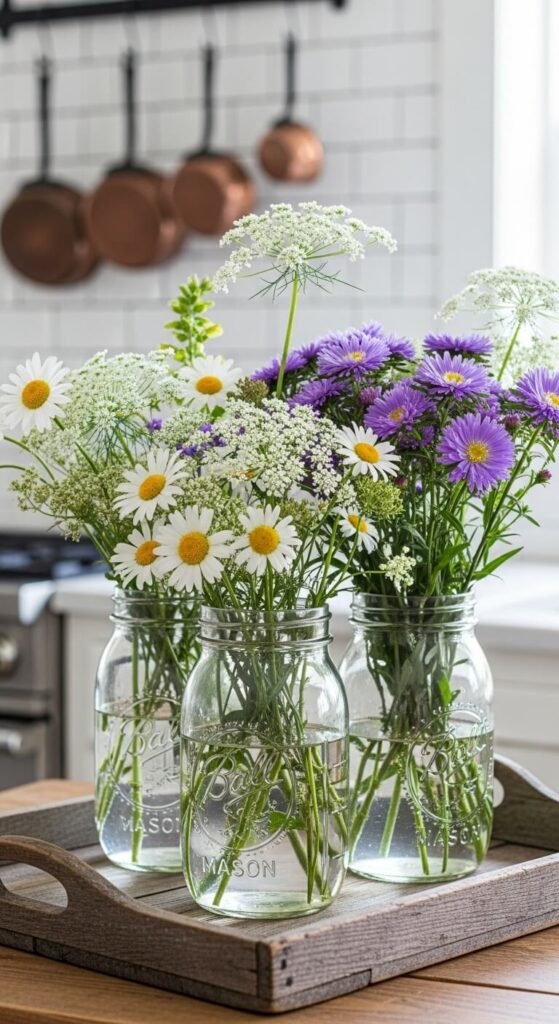
Wildflowers give you that effortless cottage look without spending a dime. Collect stems from your yard, roadside patches, or ask neighbors with gardens. Mix different heights and colors freely.
Group three to five mason jars together on a tray for maximum effect. The mismatched, informal style feels welcoming and personal. This works beautifully for outdoor dining tables or kitchen windowsills. Use jars you already own—no need to buy special vases. Change arrangements weekly to reflect what’s blooming. Kids can help gather flowers, making this a fun weekend activity. The loose, unstructured style means you can’t mess it up.
Floating Flower Bowls
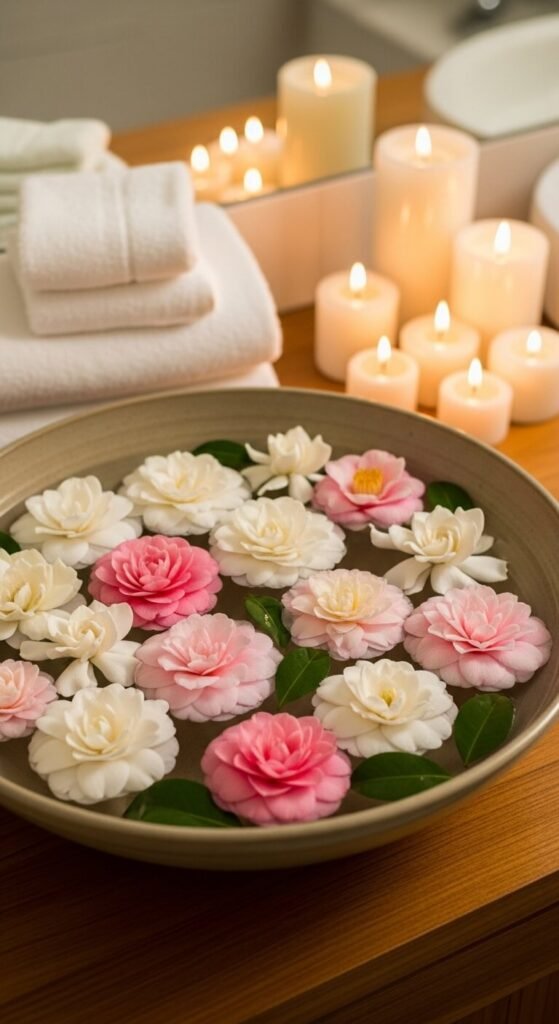
Floating arrangements add zen-like calm to bathrooms and bedside tables. Fill a wide, shallow bowl with water and float flower heads on the surface. Camellias, gardenias, roses, and dahlias work best.
This technique extends the life of flowers that might otherwise wilt. Cut blooms just below the head and let them drift naturally. Add a few leaves or petals for texture. The water reflects light beautifully and creates a spa-like atmosphere. Change the water daily to keep things looking crisp. You can use mixing bowls, pasta plates, or thrift store finds. This costs almost nothing and looks incredibly sophisticated.
Grocery Store Bouquet Makeover
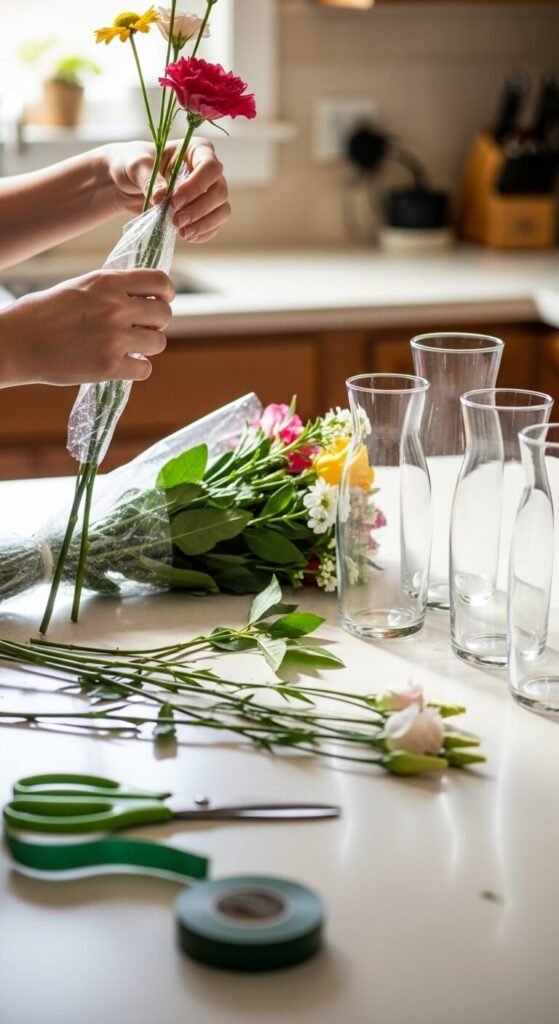
Those $10 grocery store bundles can look amazing with simple tweaking. Don’t just plop them in a vase as-is. Split the bundle into three smaller arrangements for different rooms.
Remove all the filler greens first. Cut stems at varying heights. Group similar colors together rather than mixing everything. Use what you have—coffee mugs, drinking glasses, even cleaned jam jars. This gives you multiple arrangements from one purchase. Place them in your entryway, bathroom, and bedroom. The separated approach looks custom and intentional. Grocery store flowers typically last 7-10 days with proper water changes.
Herb and Vegetable Displays
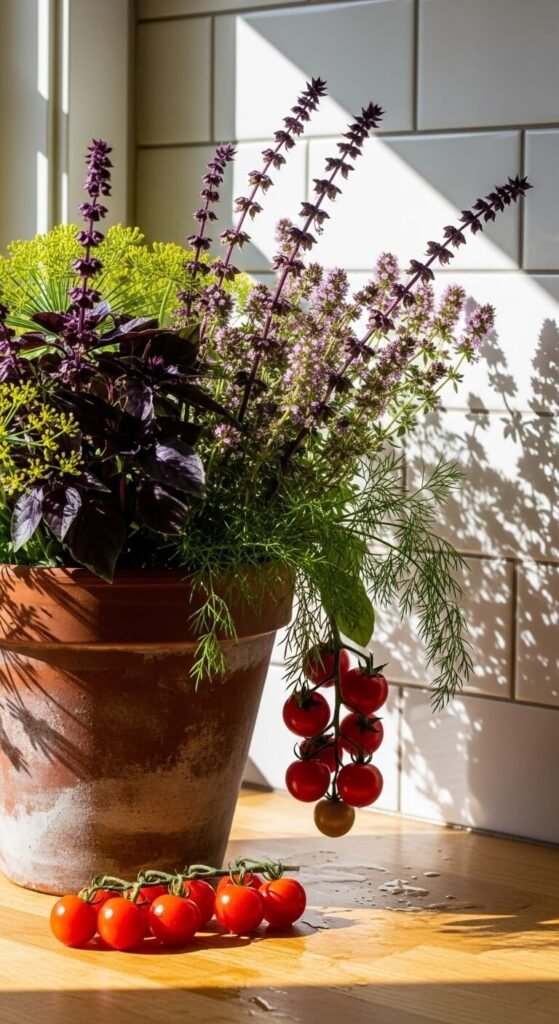
Your kitchen garden doubles as decor. Arrange flowering herbs in simple pots or vases near your cooking area. Basil flowers, rosemary sprigs, mint, and flowering thyme smell incredible and look charming.
This serves two purposes—you can snip what you need for recipes while enjoying the display. Add small vegetables like cherry tomatoes still on the vine for unexpected visual interest. Use what would otherwise go to waste from your garden. The fresh scent makes your kitchen feel alive. Replace stems as you use them for cooking. This approach costs nothing if you grow your own herbs. Even without a garden, potted herbs from the grocery store work perfectly.
Branch and Bud Arrangements
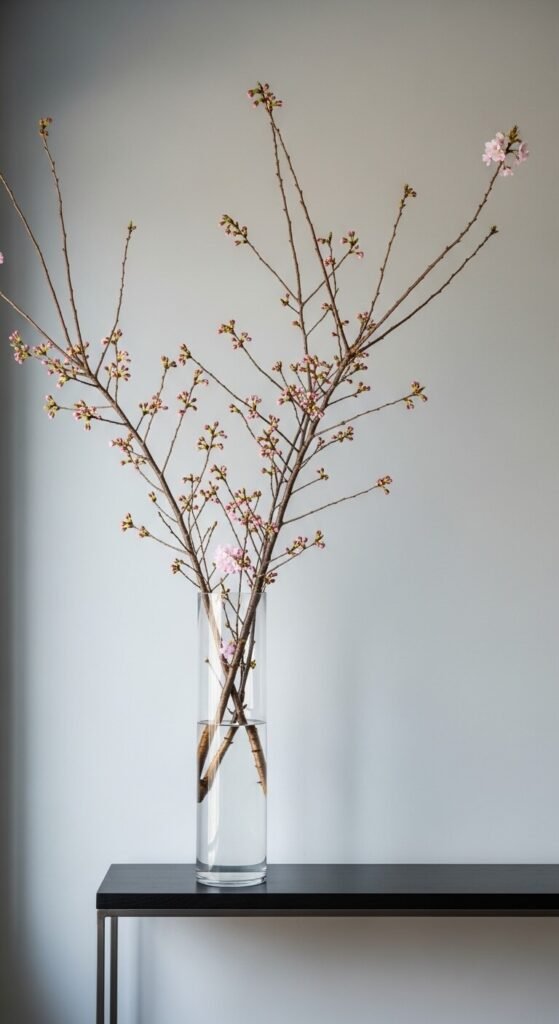
Branches add drama and height without overwhelming your budget. Cut flowering branches in early spring—cherry, apple, forsythia, or pussy willow. They bloom indoors beautifully.
Stand tall branches in weighted vases or pitchers. The vertical lines draw the eye upward and make rooms feel larger. Force branches by cutting them while buds are still tight, then placing them in warm water indoors. Within days, blooms appear. This technique works from late winter through early spring. One branch can provide two weeks of changing beauty as buds slowly open. Clean the vase weekly and trim stems to prevent bacterial growth.
Succulent and Flower Combinations
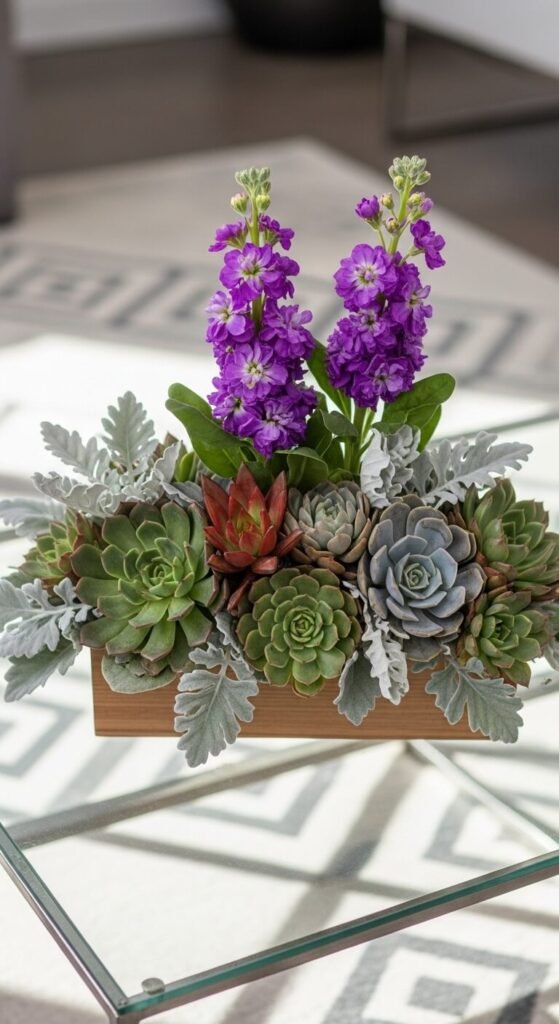
Mix live succulents with cut flowers for arrangements that last. Plant succulents in low containers, then tuck cut flower stems in water tubes among them. The combination looks designed and lasts longer than flowers alone.
Succulents provide permanent structure while flowers add seasonal color. Water tubes (available at craft stores for under $5) keep cut stems hydrated. This works especially well for coffee tables and dining centerpieces. When flowers fade, replace just those stems while succulents stay put. The textural contrast between soft petals and geometric succulent shapes adds visual interest. You can create these in shallow bowls, wooden boxes, or ceramic planters.
Monochromatic Color Schemes
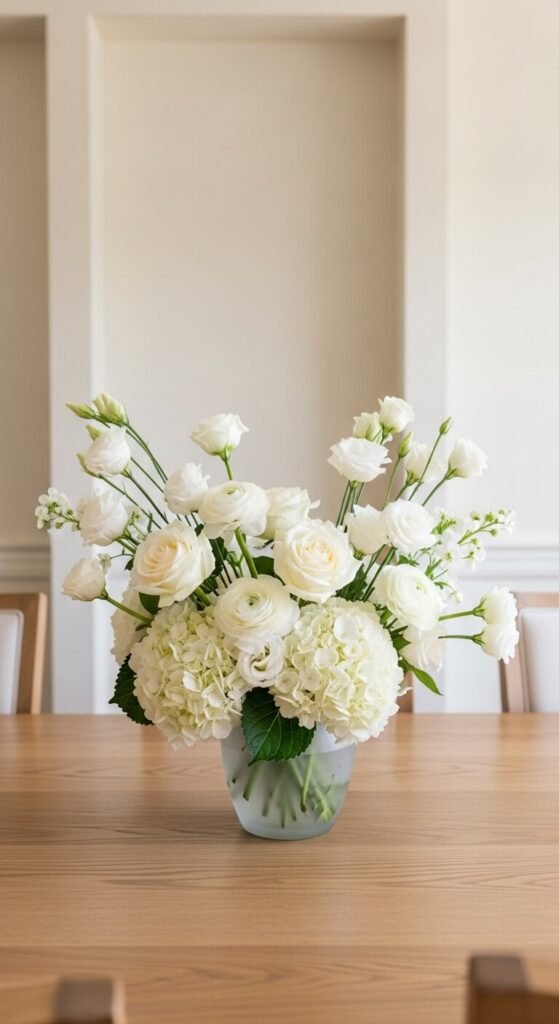
All-white or single-color arrangements look expensive and designer-approved. Choose flowers in one color family but vary the textures and sizes. Mixing roses with ranunculus, hydrangeas, and stock creates depth.
This approach works with any color—all pink, all yellow, or all burgundy. The unified palette feels sophisticated and intentional. Buy flowers in bulk from wholesale markets or online suppliers. You’ll spend less than mixed bouquets from florists. The repetition of color creates visual impact that’s hard to achieve with rainbow mixes. This style photographs beautifully and complements any decor without clashing. Start with flowers you find on sale in your chosen color.
Garden Rose Abundance
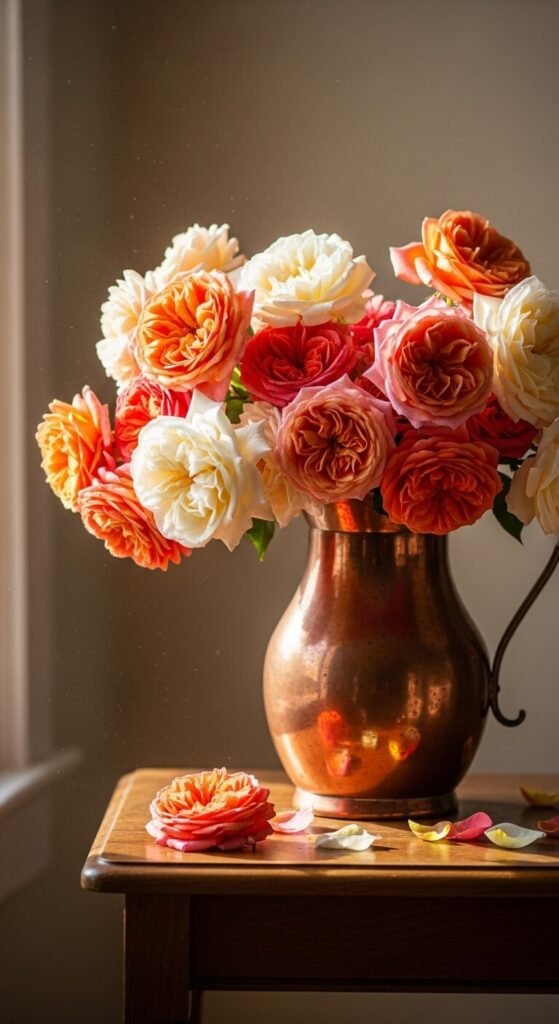
Garden roses have that expensive, romantic look without the price tag. Buy them as tight buds from wholesale clubs or discount grocers. They’ll open into huge, ruffled blooms at home.
Place 10-15 stems loosely in a pitcher or wide-mouth vase. Don’t overthink the arrangement—garden roses look best slightly wild and overgrown. Remove lower leaves and change water every other day. These typically cost $1-2 per stem, far less than florist roses. The full, cabbage-like blooms fill space quickly, so you need fewer stems. They last up to two weeks if you recut stems and keep water clean. Perfect for bedrooms and living rooms where you want softness.
Citrus and Flower Centerpieces

Slice citrus fruits and layer them inside clear vases before adding flowers. Lemons, limes, or oranges create a vibrant foundation that makes simple flowers look special. The fruit adds color and holds stems in place.
This technique works beautifully for casual entertaining. The citrus lasts about 3-4 days before needing replacement. Use fruits that match your flower colors—lemons with yellow blooms, oranges with coral flowers. The unexpected combination feels playful and fresh. This approach costs just a few dollars extra beyond your flowers. Kids love helping arrange the fruit slices. Change the water frequently to keep everything looking clear and bright. Works best with sturdy flowers like tulips, daffodils, or gerbera daisies.
Dried Flower Permanence

Dried arrangements last for months and require zero maintenance. Pampas grass, bunny tails, dried wheat, and preserved eucalyptus create texture without water or upkeep. Buy or dry your own.
Hang flowers upside down in a dark, dry space for 2-3 weeks to preserve them. Roses, lavender, and hydrangeas dry beautifully. The muted tones work with any color scheme. This one-time investment saves money over constantly buying fresh flowers. Dust occasionally with a soft brush or hairdryer on cool setting. Perfect for busy people who want beauty without commitment. Arrange dried elements loosely for a modern look or tightly for traditional style. No vase cleaning or water changing required.
Low Horizontal Arrangements
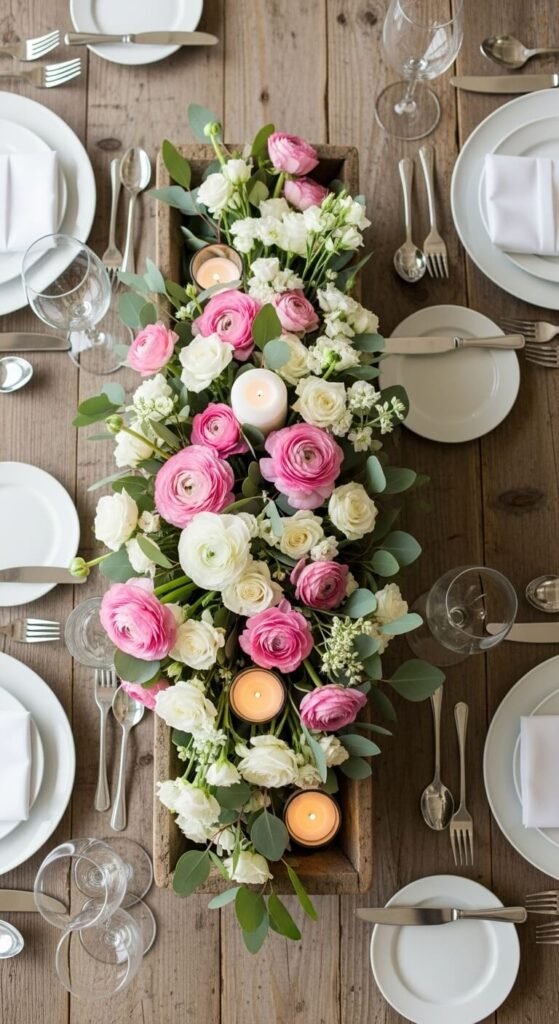
Long, low arrangements work perfectly for dining tables where you still need to see guests. Use shallow containers or floral foam in trays. Keep everything under 8 inches tall.
This style feels abundant without blocking conversation. Line up several small vases if you don’t have a long container. Fill gaps with greenery clippings from your yard. Arrange flowers so they face outward in all directions for 360-degree viewing. This technique works for dinner parties, holidays, or everyday use. The horizontal spread makes a small amount of flowers look generous. Use candles between flower clusters for evening ambiance. Remove the arrangement for daily meals and bring it back for special occasions.
Bud Vase Collections

Collect small bud vases from thrift stores and flea markets. Display them together on shelves or mantels, each holding one or two stems. The collection itself becomes decor even without flowers.
This approach lets you use flowers sparingly. One $5 bunch provides blooms for 5-7 tiny vases throughout your home. Mix vase styles—glass, ceramic, metal—for an eclectic collected-over-time look. Rearrange them seasonally or when you need a change. The individual vases work anywhere you have a few inches of space. Group them by color or mix randomly. This is the most budget-friendly approach since each vase needs only a single stem. Start with three and add more as you find interesting vessels.
Foliage-First Designs

Make greenery the star with just a few flowers as accents. Ferns, eucalyptus, monstera leaves, and ivy provide volume while flowers add small pops of color. This reverses the typical ratio.
Greenery costs less and lasts longer than flowers. Buy a bunch of eucalyptus for $5-8 and use it for two weeks. Add three to five flower stems for color. The green-dominant look feels modern and sophisticated. Clip foliage from your yard or ask neighbors with overgrown bushes. Most people will happily let you trim their hedges. This approach works year-round since greenery is always available. The ratio makes expensive flowers go further while still creating full, impressive arrangements.
Bulb and Bloom Displays

Plant bulbs in clear containers so roots become part of the display. Paperwhites, amaryllis, and hyacinth bloom indoors with minimal care. The entire growth process becomes visual interest.
Buy bulbs in fall for winter blooming. They cost $2-5 each and provide weeks of changing beauty as they grow and flower. Use glass vases, jars, or hurricane containers filled with rocks or pebbles. Add water to just below the bulb base. Place in bright, cool spots and watch roots develop. This brings life to winter windowsills when outdoor gardens are dormant. After blooming, plant bulbs outside for next year’s garden. Kids enjoy watching the daily growth progress.
Unexpected Container Choices

Skip traditional vases and use what you already own. Teapots, pitchers, measuring cups, vintage bottles, and bowls all work beautifully. The unexpected containers add personality and conversation to arrangements.
This saves money on vases while making displays feel unique and personal. The container becomes part of the design story. Look through your kitchen cabinets for overlooked options. Metal containers like copper mugs or tin cans develop beautiful patina. Ceramic bowls work for low, full arrangements. Glass bottles showcase single stems elegantly. This approach means you’ll never lack the right container. The imperfect, mismatched quality feels authentic and homey rather than stuffy or formal.
Seasonal Branch Decor

Use dramatic branches as standalone decor that lasts for months. Curly willow, red twig dogwood, manzanita, and birch create architectural interest without flowers. The sculptural shapes become living art.
Cut branches from your property or buy them at florist supply stores. One bundle costs $10-15 and lasts all season. Arrange them in tall floor vases or heavy containers that won’t tip. The bare branches work especially well in modern or minimalist spaces. Spray paint them for holidays—white for winter, metallics for celebrations. This approach requires no water changes or maintenance once arranged. The natural curves and textures add organic warmth to contemporary interiors.
Farmers Market Fresh Picks
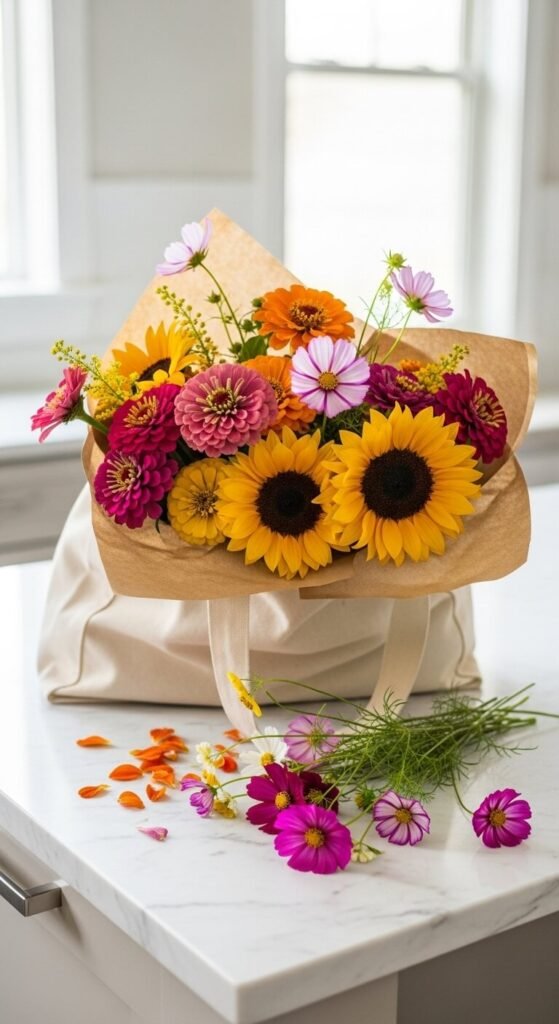
Shop farmers markets for locally grown, seasonal flowers. They cost 50-70% less than florist shops and last longer since they’re freshly cut. The blooms often have more character and garden-grown charm.
Go early for best selection or late for discounts as vendors prepare to pack up. Build relationships with flower farmers who’ll share care tips and let you know what’s coming next week. The changing seasonal selection keeps arrangements interesting. Summer brings zinnias and sunflowers, fall offers dahlias and cosmos. Ask vendors which blooms last longest. Many will share cutting garden advice if you want to grow your own. The freshness means flowers often last 10-14 days. This becomes a weekly ritual that supports local growers.
Flower Frog Foundations
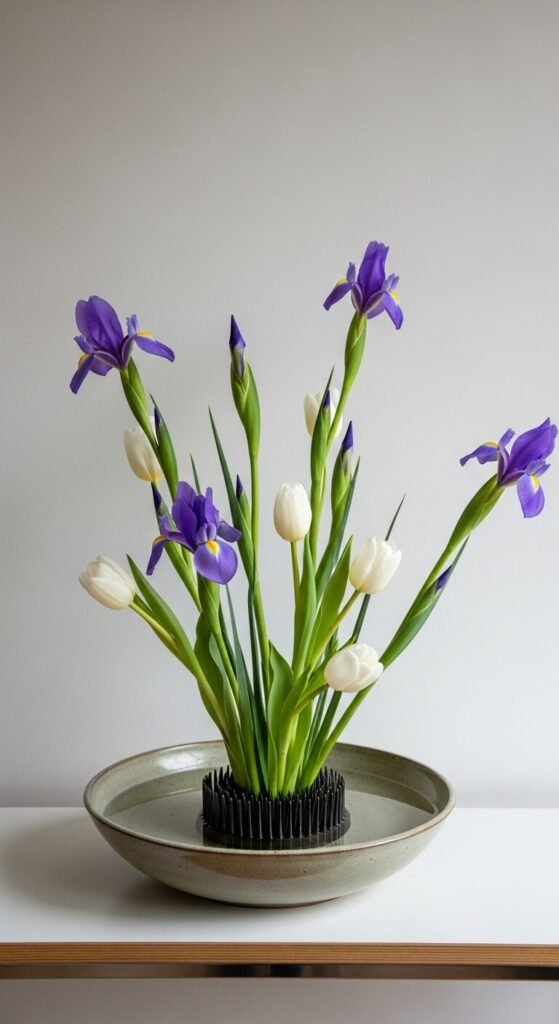
Flower frogs (metal or ceramic pin holders) give you control over stem placement. These vintage tools let you create precise arrangements in shallow bowls. Each stem stands exactly where you position it.
Buy flower frogs at antique stores or online for $5-15. They last forever and eliminate the need for floral foam. This technique works especially well for Japanese-inspired ikebana arrangements. The frogs grip stems securely so flowers don’t flop or crowd. You can create asymmetrical, artistic displays with just three to five stems. Clean the frog between uses to prevent bacterial buildup. This approach celebrates each flower’s individual beauty rather than massing them together. Perfect for people who appreciate minimal, considered designs.
Color-Blocked Groupings
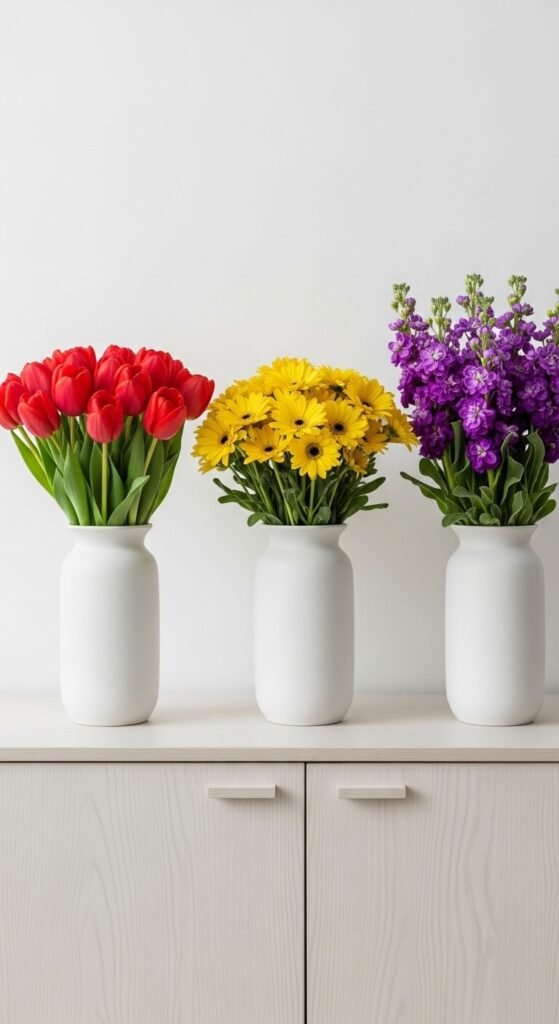
Group multiple vases together, each filled with one flower type in one color. The bold blocks of color create modern, graphic impact. This looks designed and intentional with minimal effort.
Use three to five identical or similar vases for cohesion. Fill each completely with one variety—all tulips, all daisies, all carnations. The repetition and color separation makes inexpensive flowers look expensive. This technique works beautifully on mantels, dining tables, or console tables. You can use the same flowers you’d buy anyway, just arrange them separately by color. The uniform vases cost $5-10 each at home stores. This approach photographs beautifully for parties and special occasions.
Windowsill Herb Gardens

Flowering herbs on windowsills bring beauty and function together. Lavender, chamomile, chives, and sage all produce flowers while growing in pots. The continuous blooms cost nothing after the initial plant purchase.
Place pots on trays to protect sills from water drainage. The flowers provide color while herbs stay available for cooking. This works in any room with decent light. Prune regularly to encourage more blooms and bushier growth. The fragrance adds another sensory layer that cut flowers can’t match. Starter plants cost $3-5 each and last indefinitely with care. This makes more sense than constantly buying fresh herbs from stores. When plants outgrow their pots, divide them to create more or share with friends.
Tropical Statement Leaves

Use single tropical leaves as bold statements instead of flowers. Banana leaves, monstera, bird of paradise foliage, and palm fronds create instant drama. The sculptural shapes work like living art.
These leaves last 1-2 weeks in water and cost $5-10 each from specialty grocers or florists. One leaf fills space that would require dozens of flowers. The modern, minimalist look works in contemporary homes. Stand them in tall vases or lean them against walls. The oversized scale makes small rooms feel more designed. This approach works especially well in entryways and bathrooms where you want impact without maintenance. Some grocery stores carry tropical leaves in their floral sections. Replace them when they dry and curl at the edges.
Vintage Book Stack Bases
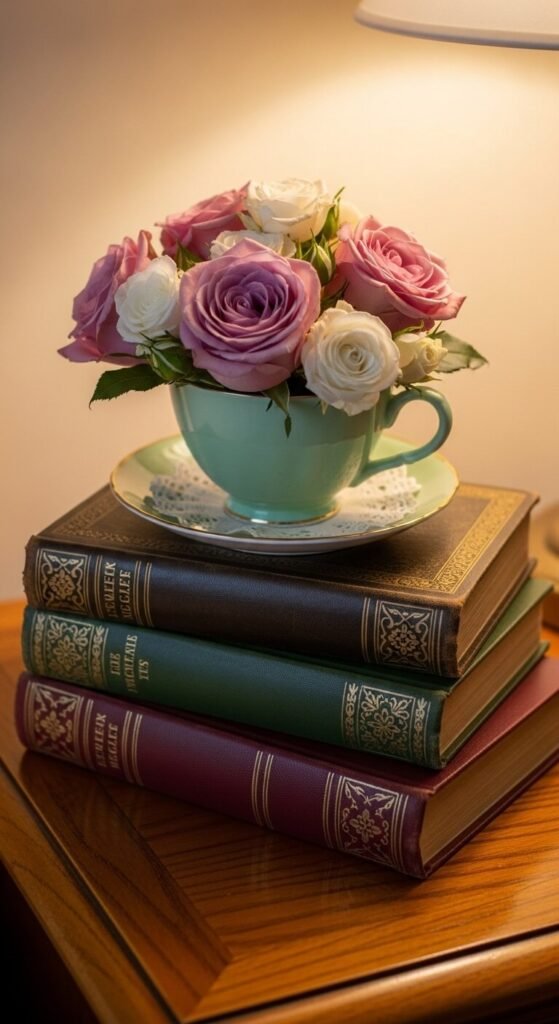
Stack vintage books as pedestals for small flower arrangements. Top the stack with teacups, small bowls, or bud vases filled with blooms. The layered height adds visual interest to flat surfaces.
This technique costs nothing if you use books you own. The combination of flowers and literature feels romantic and personal. Vary stack heights and book colors for different looks. This works perfectly on nightstands, coffee tables, or bookshelves. The books add meaningful context—use cookbooks in kitchens, poetry in bedrooms. Protect book covers with coasters or saucers under vases to prevent water rings. Change arrangements weekly while keeping the book stacks as permanent decor. This approach makes even small arrangements feel more significant and thoughtful.
Market Bucket Displays

Metal buckets create a casual, farmhouse-style base for abundant arrangements. Fill them completely so flowers spill over the edges. The informal approach feels welcoming and generous.
Buy galvanized buckets at hardware stores for $10-20. They work indoors and out. The large capacity lets you use entire market bunches without separating stems. This style suits kitchens, mudrooms, and covered porches. The sturdy metal handles make arrangements easy to move. Use buckets in different sizes grouped together for farmers market-style displays. They develop patina over time that adds character. This approach celebrates abundance over precision—just trim stems to similar lengths and pack them in densely for full, overflowing results.
Floating Candle Gardens

Combine floating candles with flower heads and petals in wide glass containers. The water reflects candlelight beautifully while flowers add color and romance. This works perfectly for evening entertaining.
Fill containers with 2-3 inches of water. Float votives first, then add flower heads and petals around them. Use roses, dahlias, or camellias that float well. This technique extends the life of flowers from other arrangements—use petals and heads that fall naturally. The setup costs just a few dollars for candles since flowers come from existing bouquets. Change water daily to keep it clear. This creates ambiance for outdoor dinners or bathroom retreats. The combination of flowers, water, and candlelight feels more special than either element alone.
Conclusion
Beautiful flower arrangements don’t require expensive blooms or professional skills. Start with what you can afford and what’s available nearby. Mix grocery store finds with yard clippings. Use containers you already own. The simple act of bringing flowers indoors changes how a room feels. Try one new technique each week. Notice which styles suit your space and lifestyle. Some arrangements last days, others weeks or months. The variety keeps your home feeling dynamic and cared for. Keep scissors and a few basic containers handy so arranging becomes quick and natural. The most beautiful displays reflect your personality and work within your real life. Pick flowers that make you happy and arrange them in ways that feel doable. That’s when your home truly brightens.